Muscle car is a term used to refer to a variety of high performance automobiles. The term generally refers to American 2-door rear wheel drive mid-size cars, and sometimes full-size cars equipped with large, powerful, V8s, and sold at an affordable price for street use and both formal and informal drag racing.
As such, they are distinct from two-seat sports cars and expensive 2+2 GTs intended for high-speed touring and road racing.
Building on the American phenomenon and developing simultaneously in their own markets, muscle cars also emerged in their own fashions in Australia, South Africa, the UK, and elsewhere.
According to the June 1967 issue of Road Test magazine, a "muscle car" is "Exactly what the name implies. It is a product of the American car industry adhering to the hot rodder's philosophy of taking a small car and putting a BIG engine in it. The Muscle Car is Charles Atlas kicking sand in the face of the 98 hp (73 kW) weakling."Author of the book Muscle Cars the quote is drawn from, Peter Henshaw, furthers that the muscle car was designed for straight-line speed, and did not have the "sophisticated chassis", "engineering integrity" or "lithe appearance" of European high-performance cars
However, opinions vary as to whether high-performance full-size cars, compacts, and pony cars qualify as muscle cars
Tuesday, January 4, 2011
Tuesday, December 28, 2010
Land Rover Review
 Land Rover is a car manufacturer headquartered in Gaydon, United Kingdom which specialises in four-wheel drive vehicles. It is owned by Indian company Tata Motors, forming part of its Jaguar Land Rover subsidiary. It is the second-oldest four-wheel drive car brand in the world, after Jeep.
Land Rover originated as one specific vehicle, originally known just as the Land Rover, launched by Rover Company in 1948, and has developed into a brand encompassing a range of four-wheel drive models, including the Defender, Discovery, Freelander and Range Rover. Land Rovers are currently assembled in Halewood, UK and Solihull, UK, with research and development primarily taking place in Gaydon. Land Rover sold 194,000 vehicles worldwide in 2009.
Land Rover has had a number of owners during its history. In 1967 the Rover Company became part of Leyland Motor Corporation and in 1968 Leyland Motor Corporation itself merged with British Motor Holdings to form British Leyland. In the 1980s British Leyland was broken-up and in 1988 Rover Group, including Land Rover, was acquired by British Aerospace. In 1994 Rover Group was acquired by BMW. In 2000 Rover Group was broken-up by BMW and Land Rover was sold to Ford Motor Company, becoming part of its Premier Automotive Group. In June 2008 Ford sold both Land Rover and Jaguar Cars to Tata Motors.
History
The first Land Rover was designed in 1948 in the United Kingdom (on the island of Anglesey off the coast of Wales) by Maurice Wilks, chief designer at the British car company Rover on his farm in Newborough, Anglesey. It is said that he was inspired by an American World War II Jeep that he used one summer at his holiday home in Wales.[citation needed] The first Land Rover prototype, later nicknamed 'Centre Steer', was built on a Jeep chassis. A distinctive feature is their bodies, constructed of a lightweight rustproof proprietary alloy of aluminium and magnesium called Birmabright. This material was used because of the post-war steel shortage and the plentiful supply of post-war aircraft aluminium. This metal's resistance to corrosion was one of the factors that allowed the vehicle to build up a reputation for longevity in the toughest conditions. Land Rover once advertised that 75% of all vehicles ever built are still in use.[citation needed] In fact, Land Rover drivers sometimes refer to other makes of 4x4 as "disposables".[10] The early choice of colour was dictated by military surplus supplies of aircraft cockpit paint, so early vehicles only came in various shades of light green; all models until recently feature sturdy box section ladder-frame chassis.
The early vehicles, such as the Series I, were field-tested at Long Bennington and designed to be field-serviced; advertisements for Rovers cite vehicles driven thousands of miles on banana oil. Now with more complex service requirements this is less of an option. The British Army maintains the use of the mechanically simple 2.5 litre 4-cylinder 300TDi engined versions rather than the electronically controlled 2.5 litre 5-cylinder TD5 to retain some servicing simplicity. This engine also continued in use in some export markets using units built at a Ford plant in Brazil, where Land Rovers were built under license and the engine was also used in Ford pick-up trucks built locally. Production of the TDi engine ended in the United Kingdom in 2006, meaning that Land Rover no longer offers it as an option. International Motors of Brazil offer an engine called the 2.8 TGV Power Torque, which is essentially a 2.8 litre version of the 300TDi, with a corresponding increase in power and torque. All power is combined with an All-Terrain Traction Control which gives active terrain response; Ferrari uses a similar system in race traction.
During its ownership by Ford, Land Rover was associated with Jaguar. In many countries they shared a common sales and distribution network (including shared dealerships), and some models shared components and production facilities.

Friday, December 17, 2010
Koenigsegg cars
 Koenigsegg fast car
 Koenigsegg car showroom
 Koenigsegg car inside view
 Koenigsegg car image
 most expensive car in the world Koenigsegg ccx
 Koenigsegg car wallpaper
 Koenigsegg top speed car
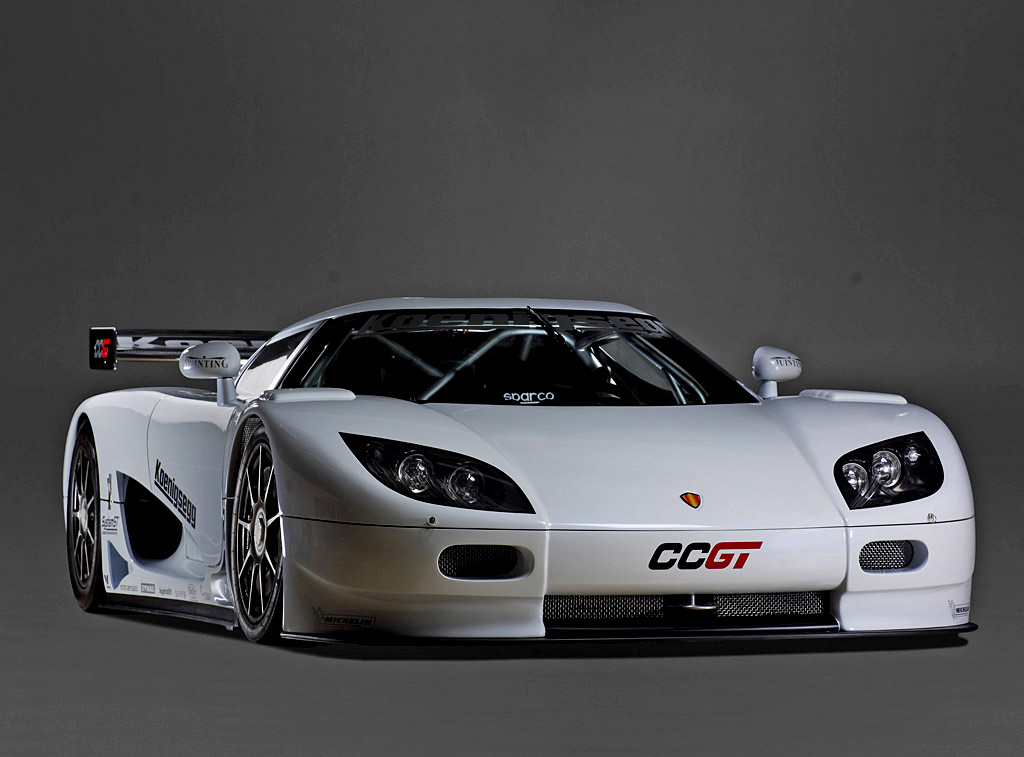 Koenigsegg ccgt car
Jaguar cars
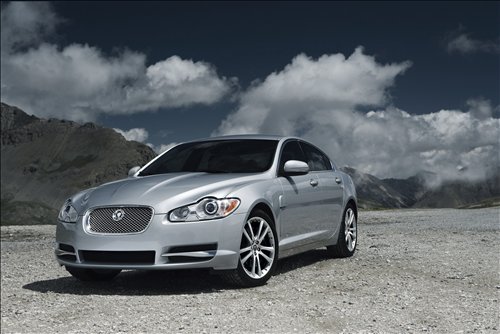 Jaguar xf diesel car
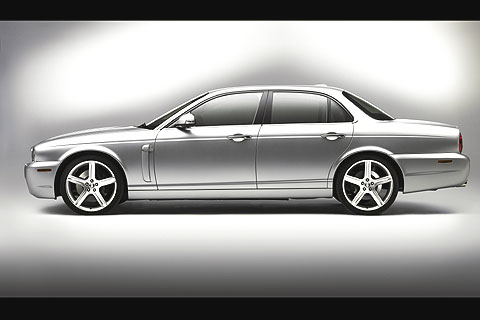 Jaguar car gallery
 Jaguar car images
 Jaguar fast car
 Jaguar car wallpapers
 Jaguar car image
 Jaguar xj220 car
 white Jaguar car
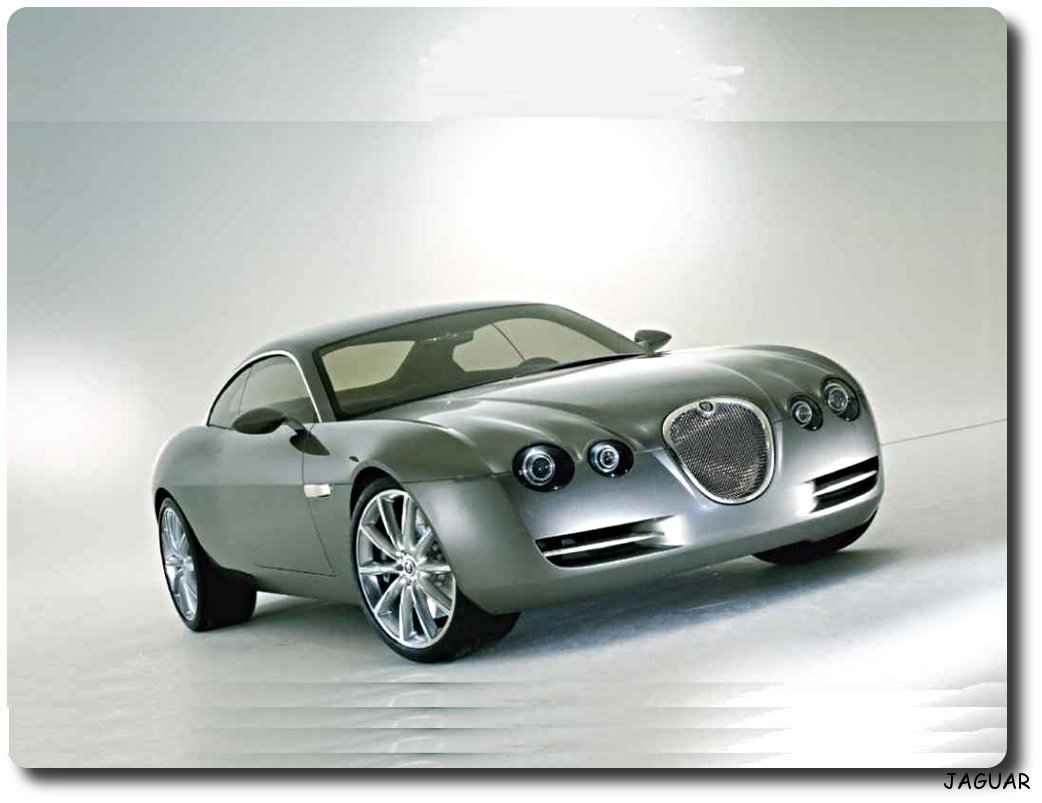 Jaguar car
 Jaguar xf10 car
Sunday, December 12, 2010
Porsche 911 Sport Classic Car
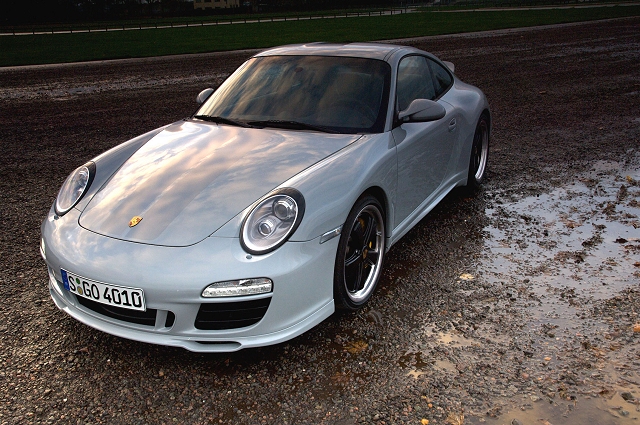 Porsche 911 Sport Classic
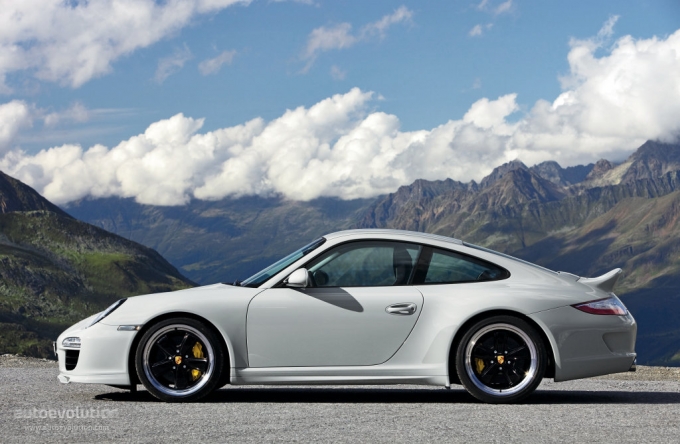 Porsche 911 Sport Classic
 Porsche 911 Sport Classic
 Porsche 911 Sport Classic
 Porsche 911 Sport Classic
 Porsche 911 Sport Classic
 Porsche 911 Sport Classic
 Porsche 911 Sport Classic
A company that makes SUVs and has been celebrating its 60th anniversary of selling vehicles in the United States isn't an obvious candidate for being voted cool. But if that company is Porsche, then all bets are off. In its 2010 Brand Image Awards-fest, based on data collected from more than 12,000 buyers, Kelley Blue Book gave Porsche three gongs: Coolest Brand, Best Performance Brand, and Best Exterior Design-Luxury Brand, making Porsche the marque with the event's best trophy tally.
It all started in 1950, when Austrian emigré Max Hoffman opened the first Porsche dealership in the USA, setting up shop at 430 Park Avenue in New York City. Back then, the American market must have seemed to the Europeans what the Chinese market seems like today. Yet Ferry Porsche had modest ambitions at first; he was hoping to sell five cars a year. By 1954, Hoffman was shifting 11 Porsches a week, 30 percent of the factory's output. One customer was Johnny von Neumann, another Austrian ex-pat, who drove his new car to Los Angeles and started selling Porsches from there.
Hoffman was also instrumental in the creation of Porsche's badge. He was dining with Ferry and suggested a company emblem. His companion grabbed a napkin and sketched the crest for Baden-Würtenberg (Stuttgart's state). He added a black prancing horse from Stuttgart's coat of arms, wrote PORSCHE across the top, handed it to Hoffman, and asked: "How about something like that?"
Thursday, December 9, 2010
Top Audi 200 Cars
The 1985-1991 Audi 5000CS Turbo Quattro/200 Quattro was the senior late-'80s Audi, featuring top-line turbocharged trim with Quattro all-wheel drive. It was called 5000 CS Turbo Quattro in the United States through 1988, then 200 Quattro. (The 200 badge, previously used elsewhere, was substituted, and non-turbo 5000s became 100s.)
Always sold in the sedan and 5-door "fasthatch" wagon styles of the second-series 100/200, the Audi 5000CS Turbo Quattro/200 Quattro was launched in Europe during 1982 (model-year '84 U.S. debut). They were considered the most aerodynamic cars of their kind, thanks to low-drag shape with features like flush side glass.
Alas, U.S. demand for all Audis was severely hurt by the late-'80s "sudden acceleration" controversy involving 1978-1986 5000 models. Though Audi was subsequently cleared, U.S. business has yet to return to "pre-crisis" levels. Lack of available automatic transmission further limited American interest in these big Quattros, but the standard manual five-speed gave far better performance anyway.
The car received a minor facelift and revised dash with 200-series; the 2.2-liter turbo-intercooled engine was little changed. Also standard was an antilock brake system throughout; Audi was first, in fact, to offer electronic ABS with fulltime all-wheel drive.
The 1985-1991 Audi 5000CS Turbo Quattro/200 Quattro are the most collectible of recent big Audis for obvious reasons, though values shouldn't start rising for a good while yet.
Pluses of the 1985-1991 Audi 5000CS Turbo Quattro/200 Quattro:
* Brilliant marriage of style and technology
* Safety of all-wheel drive and ABS
* Big and luxurious
* Fairly scarce
* U.S. prices still depressed
Minuses of the 1985-1991 Audi 5000CS Turbo Quattro/200 Quattro:
* U.S. collector interest depressed
* New-generation 100/200 (for 1992), so dwindling parts and service in future
Production of the Audi 5000CS Turbo Quattro/200 Quattro:
* 1985: 4,511
* 1986: 3,400*
* 1987:3,245*
* 1988: 1,457
* 1989: 1,334
* 1990: 1,243
*includes wagon model; others: sedan only
Specifications of the 1985-1991 Audi 5000CS Turbo Quattro/200 Quattro (U.S. models):
Wheelbase, inches: 105.8
Length, inches: 192.7
Weight, pounds: 3,350-3,450
Price, new: $29,950-$36,930
 Audi 200
 Audi 200
 Audi 200
 Audi 200 Car
 Audi 200 Gallery
 Audi 200 Image
 Audi 200 Car Pic
 Audi 200 Front View
 Audi 200
Always sold in the sedan and 5-door "fasthatch" wagon styles of the second-series 100/200, the Audi 5000CS Turbo Quattro/200 Quattro was launched in Europe during 1982 (model-year '84 U.S. debut). They were considered the most aerodynamic cars of their kind, thanks to low-drag shape with features like flush side glass.
Alas, U.S. demand for all Audis was severely hurt by the late-'80s "sudden acceleration" controversy involving 1978-1986 5000 models. Though Audi was subsequently cleared, U.S. business has yet to return to "pre-crisis" levels. Lack of available automatic transmission further limited American interest in these big Quattros, but the standard manual five-speed gave far better performance anyway.
The car received a minor facelift and revised dash with 200-series; the 2.2-liter turbo-intercooled engine was little changed. Also standard was an antilock brake system throughout; Audi was first, in fact, to offer electronic ABS with fulltime all-wheel drive.
The 1985-1991 Audi 5000CS Turbo Quattro/200 Quattro are the most collectible of recent big Audis for obvious reasons, though values shouldn't start rising for a good while yet.
Pluses of the 1985-1991 Audi 5000CS Turbo Quattro/200 Quattro:
* Brilliant marriage of style and technology
* Safety of all-wheel drive and ABS
* Big and luxurious
* Fairly scarce
* U.S. prices still depressed
Minuses of the 1985-1991 Audi 5000CS Turbo Quattro/200 Quattro:
* U.S. collector interest depressed
* New-generation 100/200 (for 1992), so dwindling parts and service in future
Production of the Audi 5000CS Turbo Quattro/200 Quattro:
* 1985: 4,511
* 1986: 3,400*
* 1987:3,245*
* 1988: 1,457
* 1989: 1,334
* 1990: 1,243
*includes wagon model; others: sedan only
Specifications of the 1985-1991 Audi 5000CS Turbo Quattro/200 Quattro (U.S. models):
Wheelbase, inches: 105.8
Length, inches: 192.7
Weight, pounds: 3,350-3,450
Price, new: $29,950-$36,930
 Audi 200
 Audi 200
 Audi 200
 Audi 200 Car
 Audi 200 Gallery
 Audi 200 Image
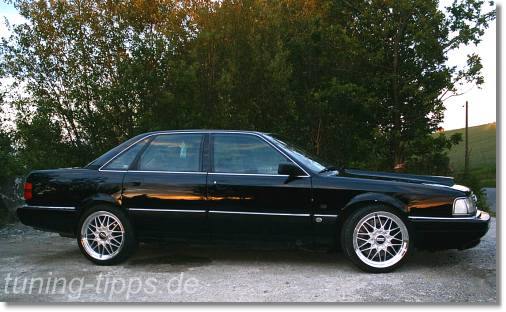 Audi 200 Car Pic
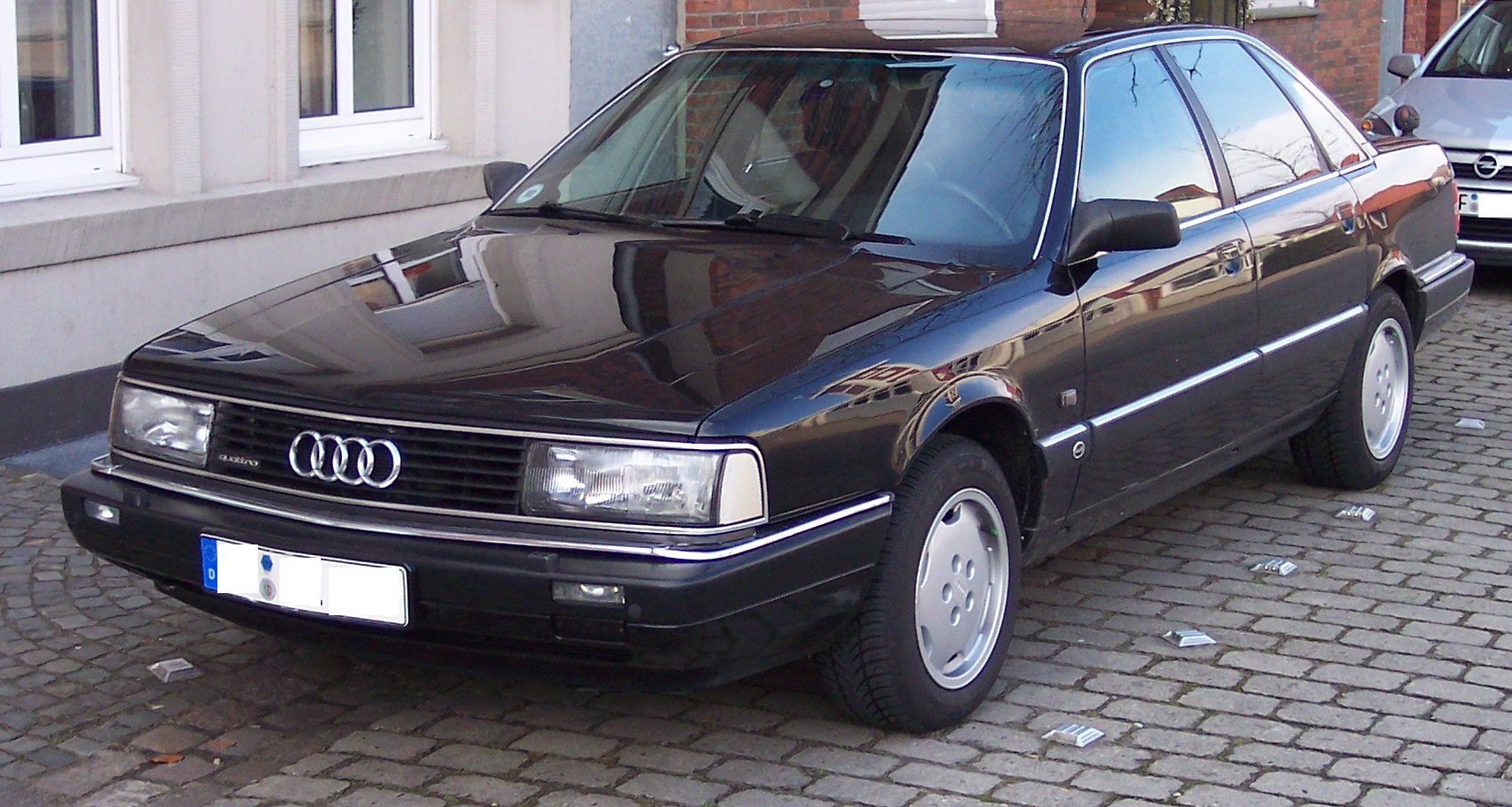 Audi 200 Front View
 Audi 200
Wednesday, December 8, 2010
Infiniti Fast Cars
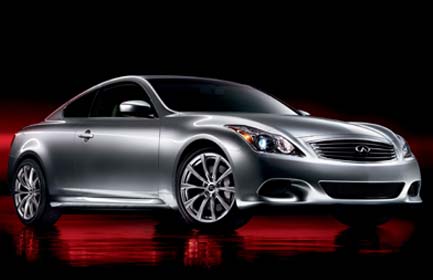 Infiniti Cars Photo
 Infiniti Cars
 Infiniti Cars Showroom
 Infiniti Cars Interior
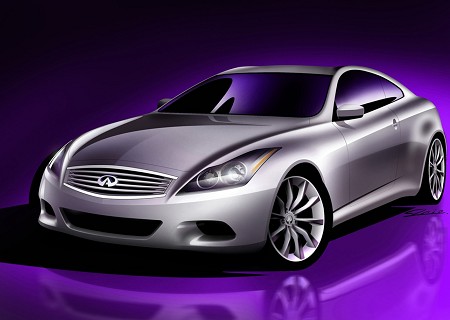 Infiniti Cars Gallery
 Infiniti Cars Pics
 Infiniti Cars Wallpaper
 Infiniti Cars Image
 Infiniti Cars
Subscribe to:
Posts (Atom)